
Formation Before Function
The TeamWork That Comes First

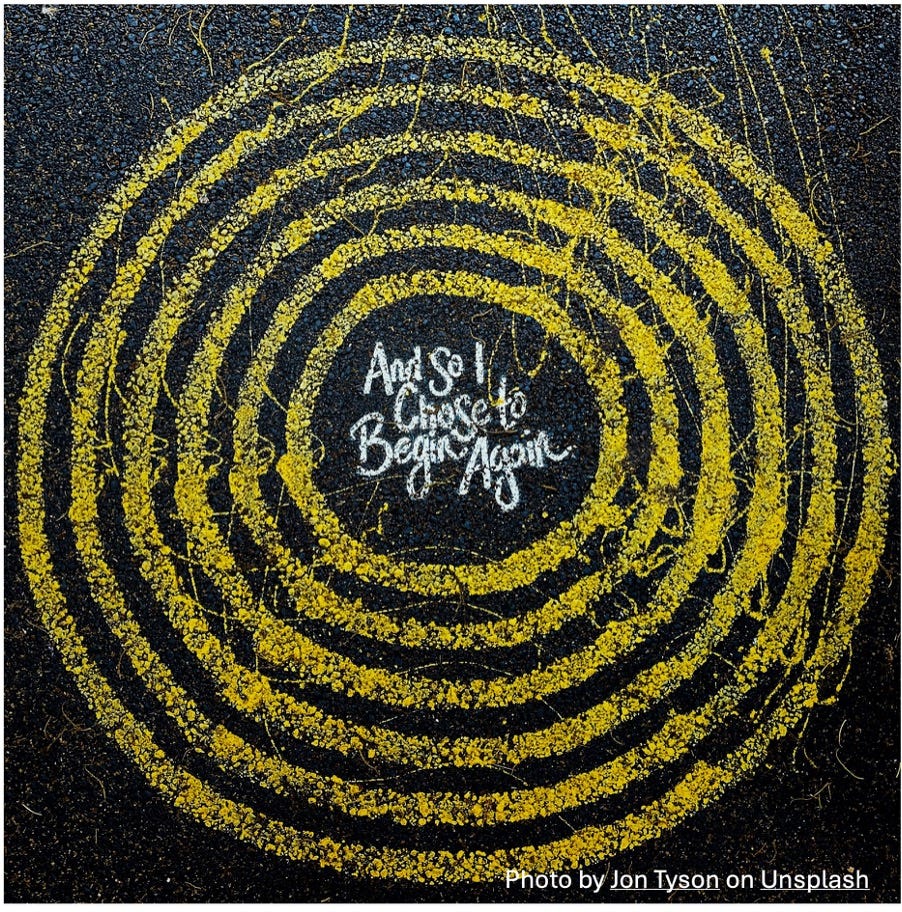
There’s a particular feeling that shows up at the beginning of a new leadership season, whether you’re leading 2 people or 200. It’s that first meeting where the agenda feels too full, the silence too loud, and everyone’s wondering: What kind of team will this be? More importantly: What might God be inviting us to become?
Some voices fill the space quickly; others hang back. Conversations feel tentative. There’s hopeful expectation alongside the realization that something important is taking shape - but it’s not yet clear what.
For many leaders, this moment creates anxiety. We assume we should already know where we’re going. We feel pressure to be efficient, productive, and decisive. We worry that uncertainty means we’re behind.
But what if we’re asking the wrong first question?
When “What Will We Do?” Comes Too Soon
Last week, I was talking with one of my leaders about her team’s first gathering of the year. She was excited, energized, ready to go. “We’re going to talk about what they want to do this year,” she said.
I paused. Then asked: “What do you think your team wants to become this year? What do they hope the Spirit might do with them each time they show up? Do you think that might shape what they want to do?”
Silence.
Not the uncomfortable kind. The holy kind. The kind that happens when a question opens space instead of filling it.
I could hear her smiling though the phone as she said, “I hadn’t thought about it that way.”
And that’s the shift, isn’t it? From function to formation. From what we’ll accomplish to who we’re becoming together. From doing to being.
In Spirit-led leadership, the earliest moments aren’t a problem to solve. They’re a formation space to tend. And in seasons when we don’t yet see the full path ahead, formation doesn’t delay the work - it is the work.
Living Faith in the Blind
There’s a phrase I keep coming back to: living faith in the blind. It’s the practice of trusting God’s presence and guidance even when we can’t yet see where the path leads. It’s believing that faithfulness in the fog matters more than certainty on the map.
This isn’t passivity. It’s not waiting around for lightning-bolt clarity before we move. Living faith in the blind is the active trust that God is already present, already leading, already forming us… even when outcomes remain unclear.
And here’s the thing: how we walk together in those unclear moments shapes everything that follows. The posture we carry. The habits we form. The trust we build. The Spirit we invite.
When clarity is limited, formation leads.
Long before decisions are made or plans are approved, teams are already learning:
how they listen
how they handle differences
how they respond to uncertainty
how safe it feels to speak honestly
how much room the Spirit gets in the process
These early patterns don’t just influence culture - they become culture.
This is at the heart of what it means to future the church. Futuring isn’t about predicting outcomes or controlling variables. It’s about cultivating the kind of Spirit-centered posture that allows us to co-create with God in real time. It’s trusting that the Spirit is already ahead of us, inviting us forward into something we couldn’t ever orchestrate on our own.
Jesus Forms People Before Sending Them
This isn’t a new insight. It’s the way Jesus leads. In the Gospels, we see it again and again: before the disciples are sent, they are gathered. Before they are commissioned, they are shaped. Jesus spends far more time forming who they are together than outlining what they will do next.
Before sending the Twelve out in pairs (Luke 9), Jesus spends months teaching them to pay attention, to trust, to be together. In John’s Gospel, the disciples frequently misunderstand what Jesus is doing… and he doesn’t rush them to get there. He walks with them. Eats with them. Let’s them wrestle with uncertainty.
Formation precedes instruction.
Presence comes before assignment.
Being prepares the way for doing.
Leadership, in Jesus’ way, is learned relationally before it is exercised functionally.
New Teams Don’t Need Answers First; They Need Trust
As new leadership teams gather at the beginning of a year (or as new members join an existing team), the most important work isn’t immediate clarity. It’s cultivating trust.
Trust that questions are welcome.
Trust that disagreement won’t fracture the group.
Trust that uncertainty can be named without judgment.
Trust that faithfulness matters more than speed.
Trust that the Holy Spirit is not just present, but central.
This Spirit-centeredness isn’t an add-on to leadership - it’s the foundation. It’s what transforms a team from a task force into a community of discernment. And when this trust is formed early, teams are far better equipped to navigate complex decisions later.
A Leadership Practice: The Formation Questions
Rather than rushing into outcomes, use these questions in your first 2–3 gatherings. Return to them regularly. They’re not one-time questions; they’re formational anchors.
1. Spirit Expectation: What do we hope the Spirit might do among us each time we gather?
2. Relational Intention: How do we want to be with one another as we begin?
3. Sacred Rhythm: What practices will keep us Spirit-centered before we try to produce results?
These aren’t strategic questions. They’re formational ones. They help a team become aware of the culture they’re already shaping (whether they know it or not.)
Formation Precedes Clarity
Faithful leadership doesn’t begin when the map is complete. It begins when a group of people learns how to take the next faithful step together. They do it by listening, trusting, and remaining open to the Spirit’s movement along the way.
We don’t always need to know exactly where we’re going. But we can pay close attention to who we’re becoming along the way. And when we tend to the early steps - when we choose formation before function - we form leaders prepared not just to decide, but to discern.
And that changes everything.
Breath Prayer:
Inhale: Guide our next step…
Exhale: ...Teach us how to walk together.
Sources
Luke 9:1-6 (The Sending of the Twelve)
John’s Gospel (The Formation of the Disciples)
Gil Rendle, Quietly Courageous
Michael Beck, Deep Roots, Wild Branches